
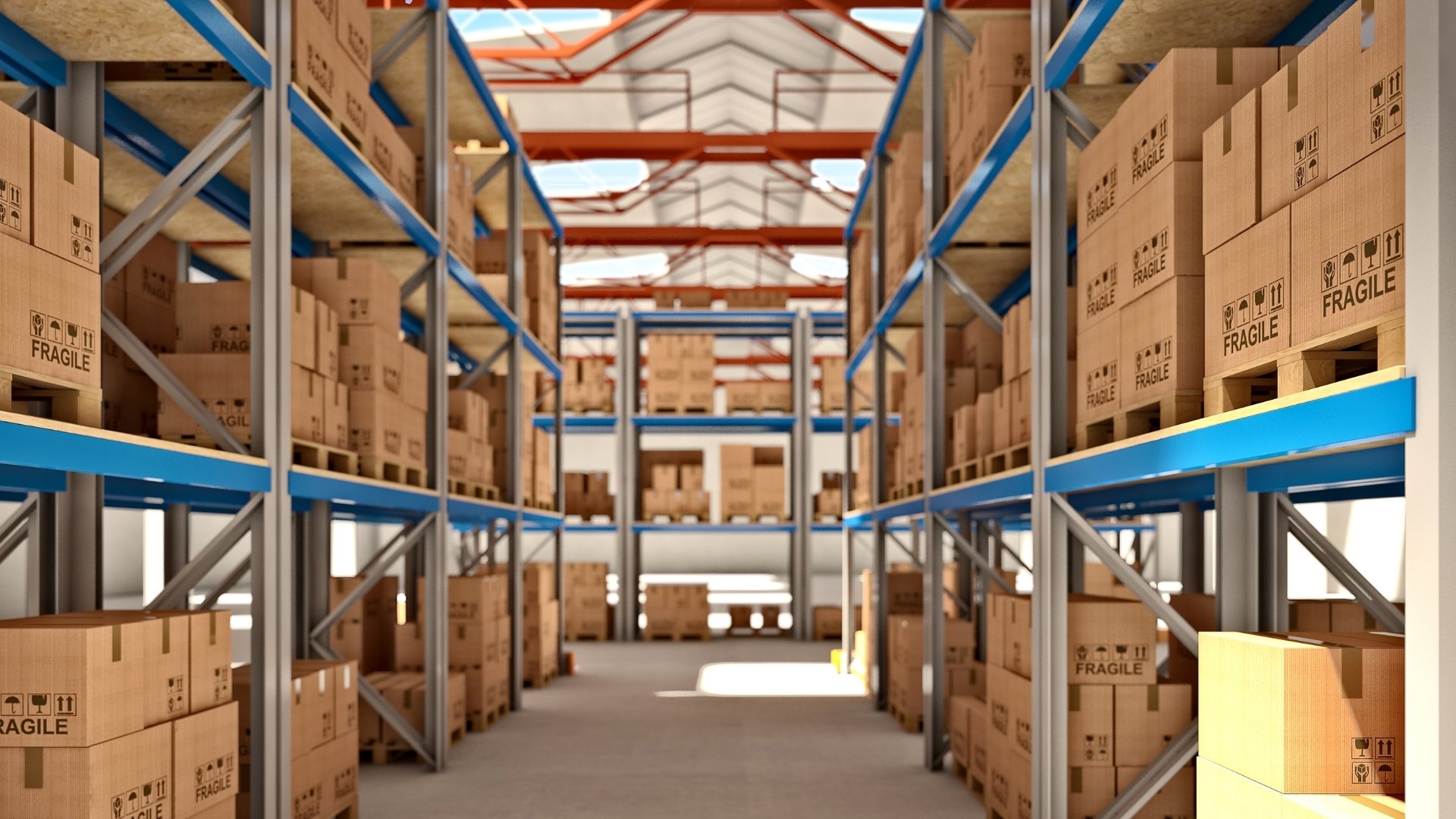
A storage storage place has become much regarding green simple building used to hold goods. In today’s fast-paced economy, it stands at the heart of supply chains, supporting manufacturers, retailers, distributors, and marketers that rely on fast, secure, and organized inventory management. As global markets expand and customer expectations rise, the role of the modern storage storage place has evolved dramatically. It now represents a strategic asset for businesses seeking efficiency, cost benefits, and seamless operations.
A storage storage place serves as a centralized location where goods can be received, stored, processed, and eventually shipped out 儲存服務. This might sound straightforward, nevertheless, you that every stage of storage place operations requires innovative planning and advanced systems to ensure accuracy and speed. From automated inventory-tracking technologies to climate-controlled environments for sensitive products, the modern storage place demonstrates a combination of innovation, management expertise, and logistical brains.
One of the primary reasons businesses depend on a storage storage place is the ability to maintain consistent inventory levels. A manufacturer may produce goods in large quantities, but retailers may only need smaller shipments at a time. Warehouses bridge this hole by holding extra stock until it is required, preventing shortages and helping companies meet customer demand directly. This becomes especially valuable during in season spikes, promotional events, or unexpected interferences in supply chains. Without a storage place functioning as a stream, many businesses would struggle to adapt quickly.
Today’s storage storage place is also deeply linked to the rise of e-commerce. Online shopping has exploded dramatically, creating a need for highly reactive logistics centers capable of handling fast order processing. Warehouses designed for e-commerce often include dedicated providing areas, advanced picking technologies, and real-time tracking systems that update customers the moment their order is processed. This shift has transformed the storage storage place into a dynamic, high-activity center rather than a passive storage site.
Another important factor of a storage storage place is its capacity to protect goods from damage, theft, or damage. Security systems such as monitoring cameras, controlled access points, and alarm systems offer strong protection against unauthorized entry. For products that need special care, such as food items, pharmaceutical drugs, or delicate consumer electronics, climate-controlled storage ensures that temperature and dampness levels remain within safe ranges. This kind of specialized environment would be extremely hard for smaller businesses to maintain independently, which is why dedicated storage place facilities are very important.
Efficiency is a defining feature of a successful storage storage place. Modern facilities are carefully designed to improve space usage, employee movement, and product accessibility. High shelves, pallet shelving, forklift lanes, and automated selecting systems all contribute to faster workflows. A well-organized storage place reduces the time employees spend searching for items, which ultimately reduces labor costs and increases overall productivity. For companies handling thousands of products, these efficiency gains can make a significant difference in earning.
Technology has become a game-changer in storage place operations. Inventory management software allows businesses to track stock levels with remarkable precision. Barcode scanners, RFID tags, and automated picking machines have greatly reduced human error. Some advanced warehouses make use of robotics and artificial brains to move products, monitor inventory, or plan optimal storage templates. These innovations allow businesses to scale quickly while maintaining accuracy and reliability. The storage storage place of today is a blend of physical space and digital brains working together.
Location is another factor that plays a major role in storage place strategy. A well-placed storage storage place can shorten delivery avenues, reduce transportation expenses, and increase customer care through faster shipping times. Companies often build or rent storage place space close to major motorways, ports, or airfields, ensuring smooth movement of goods both locally and internationally. In a world where customers expect rapid deliveries, distribution speed has become a competitive advantage, making strategic storage place placement more important than in the past.
Sustainability in addition has entered the world of storage place management. Many modern storage warehouses incorporate eco-friendly practices such as energy-efficient lighting, solar power systems, optimized packaging techniques, and these recycling programs. Green logistics not only reduces environmental impact but also helps companies cut long-term in business costs. As global pressure for environmental responsibility grows, sustainable warehouses will continue to rise in demand and influence industry standards.
For businesses considering whether to rent or own storage place space, your choice depends on factors such as growth rate, storage needs, and budget. Leasing a storage storage place provides flexibility, allowing businesses to expand or get smaller their space based on demand. Having a facility, on the other hand, can offer long-term stability and full control over operations. Regardless of the method chosen, access the best storage place remains necessary for maintaining smooth operations and meeting customer expectations.
Ultimately, the modern storage storage place is far regarding green building filled with shelves. It is a vital partner in the journey of the product, from its creation to its final destination. Whether supporting local businesses or global firms, the storage place ensures that goods are protected, organized, and delivered where they need to go. Its role details virtually every industry, making it a central source of commerce and a crucial part of global trade.
